Image


__TwigTemplate_3734fffb3ad977906ea607e799cc7fde->doDisplay(Array, Array) (Line: 394)
Twig\Template->displayWithErrorHandling(Array, Array) (Line: 367)
Twig\Template->display(Array) (Line: 100)
__TwigTemplate_51804ed58c85ac49f262da878d163eb0->doDisplay(Array, Array) (Line: 394)
Twig\Template->displayWithErrorHandling(Array, Array) (Line: 367)
Twig\Template->display(Array) (Line: 379)
Twig\Template->render(Array) (Line: 38)
Twig\TemplateWrapper->render(Array) (Line: 39)
twig_render_template('modules/contrib/better_exposed_filters/templates/bef-links.html.twig', Array) (Line: 348)
Drupal\Core\Theme\ThemeManager->render('bef_links', Array) (Line: 480)
Drupal\Core\Render\Renderer->doRender(Array) (Line: 493)
Drupal\Core\Render\Renderer->doRender(Array, ) (Line: 240)
Drupal\Core\Render\Renderer->render(Array) (Line: 475)
Drupal\Core\Template\TwigExtension->escapeFilter(Object, Array, 'html', NULL, 1) (Line: 51)
__TwigTemplate_831e1f6c7a86d0986ecd0357aecb3486->doDisplay(Array, Array) (Line: 394)
Twig\Template->displayWithErrorHandling(Array, Array) (Line: 367)
Twig\Template->display(Array) (Line: 379)
Twig\Template->render(Array) (Line: 38)
Twig\TemplateWrapper->render(Array) (Line: 39)
twig_render_template('themes/contrib/bootstrap5/templates/views/views-exposed-form.html.twig', Array) (Line: 348)
Drupal\Core\Theme\ThemeManager->render('views_exposed_form', Array) (Line: 480)
Drupal\Core\Render\Renderer->doRender(Array, ) (Line: 240)
Drupal\Core\Render\Renderer->render(Array) (Line: 475)
Drupal\Core\Template\TwigExtension->escapeFilter(Object, Array, 'html', NULL, 1) (Line: 84)
__TwigTemplate_c83289cca6c46c7616c493a7b5845206->doDisplay(Array, Array) (Line: 394)
Twig\Template->displayWithErrorHandling(Array, Array) (Line: 367)
Twig\Template->display(Array) (Line: 379)
Twig\Template->render(Array) (Line: 38)
Twig\TemplateWrapper->render(Array) (Line: 39)
twig_render_template('themes/custom/gdhr/templates/views/views-view.html.twig', Array) (Line: 348)
Drupal\Core\Theme\ThemeManager->render('views_view', Array) (Line: 480)
Drupal\Core\Render\Renderer->doRender(Array) (Line: 493)
Drupal\Core\Render\Renderer->doRender(Array, ) (Line: 240)
Drupal\Core\Render\Renderer->render(Array) (Line: 475)
Drupal\Core\Template\TwigExtension->escapeFilter(Object, Array, 'html', NULL, 1) (Line: 81)
__TwigTemplate_d948d97f9d70763f4f401578b739cccc->block_content(Array, Array) (Line: 171)
Twig\Template->displayBlock('content', Array, Array) (Line: 68)
__TwigTemplate_d948d97f9d70763f4f401578b739cccc->doDisplay(Array, Array) (Line: 394)
Twig\Template->displayWithErrorHandling(Array, Array) (Line: 367)
Twig\Template->display(Array) (Line: 379)
Twig\Template->render(Array) (Line: 38)
Twig\TemplateWrapper->render(Array) (Line: 39)
twig_render_template('themes/contrib/bootstrap5/templates/block/block.html.twig', Array) (Line: 348)
Drupal\Core\Theme\ThemeManager->render('block', Array) (Line: 480)
Drupal\Core\Render\Renderer->doRender(Array) (Line: 493)
Drupal\Core\Render\Renderer->doRender(Array, ) (Line: 240)
Drupal\Core\Render\Renderer->render(Array) (Line: 475)
Drupal\Core\Template\TwigExtension->escapeFilter(Object, Array, 'html', NULL, 1) (Line: 53)
__TwigTemplate_c3a244c4f94e4a80aa9ba477a3e3870e->doDisplay(Array, Array) (Line: 394)
Twig\Template->displayWithErrorHandling(Array, Array) (Line: 367)
Twig\Template->display(Array) (Line: 379)
Twig\Template->render(Array) (Line: 38)
Twig\TemplateWrapper->render(Array) (Line: 39)
twig_render_template('themes/custom/gdhr/templates/layout/layout--onecol.html.twig', Array) (Line: 348)
Drupal\Core\Theme\ThemeManager->render('layout__onecol', Array) (Line: 480)
Drupal\Core\Render\Renderer->doRender(Array) (Line: 493)
Drupal\Core\Render\Renderer->doRender(Array) (Line: 493)
Drupal\Core\Render\Renderer->doRender(Array, ) (Line: 240)
Drupal\Core\Render\Renderer->render(Array) (Line: 475)
Drupal\Core\Template\TwigExtension->escapeFilter(Object, Array, 'html', NULL, 1) (Line: 110)
__TwigTemplate_e3a67e8fdc4292327964349c2380cb70->doDisplay(Array, Array) (Line: 394)
Twig\Template->displayWithErrorHandling(Array, Array) (Line: 367)
Twig\Template->display(Array) (Line: 379)
Twig\Template->render(Array) (Line: 38)
Twig\TemplateWrapper->render(Array) (Line: 39)
twig_render_template('themes/contrib/bootstrap5/templates/content/node.html.twig', Array) (Line: 348)
Drupal\Core\Theme\ThemeManager->render('node', Array) (Line: 480)
Drupal\Core\Render\Renderer->doRender(Array, ) (Line: 240)
Drupal\Core\Render\Renderer->render(Array, ) (Line: 238)
Drupal\Core\Render\MainContent\HtmlRenderer->Drupal\Core\Render\MainContent\{closure}() (Line: 627)
Drupal\Core\Render\Renderer->executeInRenderContext(Object, Object) (Line: 231)
Drupal\Core\Render\MainContent\HtmlRenderer->prepare(Array, Object, Object) (Line: 128)
Drupal\Core\Render\MainContent\HtmlRenderer->renderResponse(Array, Object, Object) (Line: 90)
Drupal\Core\EventSubscriber\MainContentViewSubscriber->onViewRenderArray(Object, 'kernel.view', Object)
call_user_func(Array, Object, 'kernel.view', Object) (Line: 111)
Drupal\Component\EventDispatcher\ContainerAwareEventDispatcher->dispatch(Object, 'kernel.view') (Line: 186)
Symfony\Component\HttpKernel\HttpKernel->handleRaw(Object, 1) (Line: 76)
Symfony\Component\HttpKernel\HttpKernel->handle(Object, 1, 1) (Line: 58)
Drupal\Core\StackMiddleware\Session->handle(Object, 1, 1) (Line: 48)
Drupal\Core\StackMiddleware\KernelPreHandle->handle(Object, 1, 1) (Line: 28)
Drupal\Core\StackMiddleware\ContentLength->handle(Object, 1, 1) (Line: 32)
Drupal\big_pipe\StackMiddleware\ContentLength->handle(Object, 1, 1) (Line: 191)
Drupal\page_cache\StackMiddleware\PageCache->fetch(Object, 1, 1) (Line: 128)
Drupal\page_cache\StackMiddleware\PageCache->lookup(Object, 1, 1) (Line: 82)
Drupal\page_cache\StackMiddleware\PageCache->handle(Object, 1, 1) (Line: 48)
Drupal\Core\StackMiddleware\ReverseProxyMiddleware->handle(Object, 1, 1) (Line: 51)
Drupal\Core\StackMiddleware\NegotiationMiddleware->handle(Object, 1, 1) (Line: 36)
Drupal\Core\StackMiddleware\AjaxPageState->handle(Object, 1, 1) (Line: 51)
Drupal\Core\StackMiddleware\StackedHttpKernel->handle(Object, 1, 1) (Line: 704)
Drupal\Core\DrupalKernel->handle(Object) (Line: 19)
Introduction
Adolescence is the period of time from the onset of puberty until adulthood. The rapid changes in hormones, physical growth and emotional growth have huge impacts on relationships - with families, friends and romantic partners.
Improperly using and discarding needles and syringes can increase the risk of transmitting blood-borne viruses such as HIV and hepatitis.
Body art is a popular form of artistic and self-expression.
Body art is a popular form of artistic and self-expression. There are associated risks with certain types of body art, such as the risk of infection from a blood-borne virus (BBV), if practices are not carried out properly and safely. Tattoos, body piercings, branding, scarification, and three-dimensional art or body modifications, such as beading, are all forms of body art. In Western Australia, the most popular forms of body art are tattoos and body piercing.
Tattoos are permanent designs on the skin. They are made with coloured inks put under the skin with a machine that uses a needle.
Body piercings are holes in the skin that are made so jewellery can be worn. The holes are made with a sharp instrument, often a needle or a piercing gun.
It is against the law in Western Australia to tattoo (or brand) a person under the age of 16, or between the ages of 16 and 18 without the written consent of their parent. It is also against the law in Western Australia to:
Under the Children and Community Services Act 2004, fines and imprisonment may be applied for breaches of the laws relating to age and tattooing and piercing (although the relevant section of the Act does not apply to body piercing carried out for medical or therapeutic purposes).
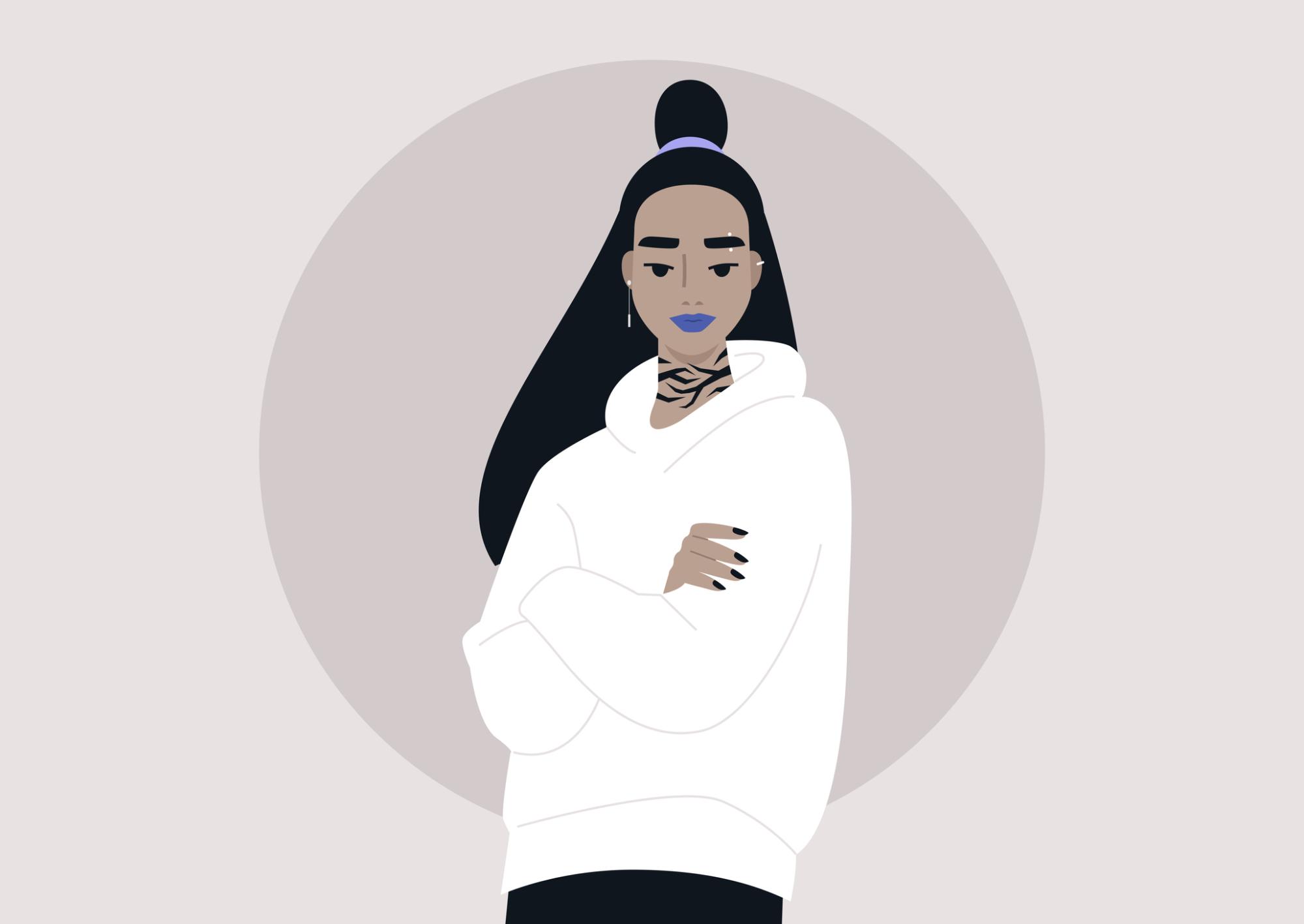
We live in a world that sends us all sorts of messages about what the 'perfect' body looks like. We are constantly receiving image-related messages from different sources, all within the media, our surrounding environments, and on social media, indicating what society views as 'beautiful', 'ideal', and 'attractive'. It is not surprising then, that instead of embracing and celebrating diversity in all body types, we end up focusing on what can be dangerous and often physically unattainable perfection. The other reality is that these 'perfect' images to which too many aspire are typically digitally altered, using photoshop, various filters, angles, and lighting to look a certain way. They are not true or realistic images.
Body image refers to how you see yourself, how you feel about the way you look and how you think others perceive you. The reality is that every body comes in all different shapes and sizes, and it is unrealistic to represent only one body type as beautiful. Lots of people of all ages and genders can struggle with their body image. Research suggests that around 70% of Australian girls and around 60% of Australian boys are dissatisfied with their body or weight1.
With the degree of physical and emotional changes occurring during puberty, it is normal for young people to be more self-aware. Body image was identified as one of the three top concerns of young people in Mission Australia's Youth Survey 20202, with concerns considerably higher among females than males.
Males are increasingly feeling this pressure to achieve or maintain an 'ideal' appearance of high levels of fitness, strength, and physical 'perfection'. The change rooms at school and sporting clubs, time at the beach or gym, and intimate experiences can be intimidating and vulnerable spaces for young men.
Many teachers wonder if it is best to split their classes by gender for relationships and sexuality lessons. There are pros and cons to be considered for both.

It is important to recognise that Aboriginal people are diverse. While some Aboriginal students may be completely comfortable with relationships and sexuality education (RSE), it may cause others to feel awkward or embarrassed (what some Aboriginal people call ‘shame’).
The key to successful RSE in any context is to create an environment which is respectful, supportive and responsive to the needs of students. This requires some familiarity with students’ social and cultural influences.
For some Aboriginal people, the topics discussed in RSE might be considered men’s or women’s cultural business and it may not be appropriate to discuss these issues with or in front of members of the opposite sex1.
"Sexual health is sensitive, complex and personal. We want to really dramatically change the stats and change the rates of transmission in Aboriginal youth. We want to engage young Aboriginal and Torres Strait Islander people to lead honest conversations in their communities about HIV, and about sexual health more generally."
Todd Fernando – ANTHYM: Aboriginal Nations Torres Strait Islander HIV Youth Mob (with permission)2.
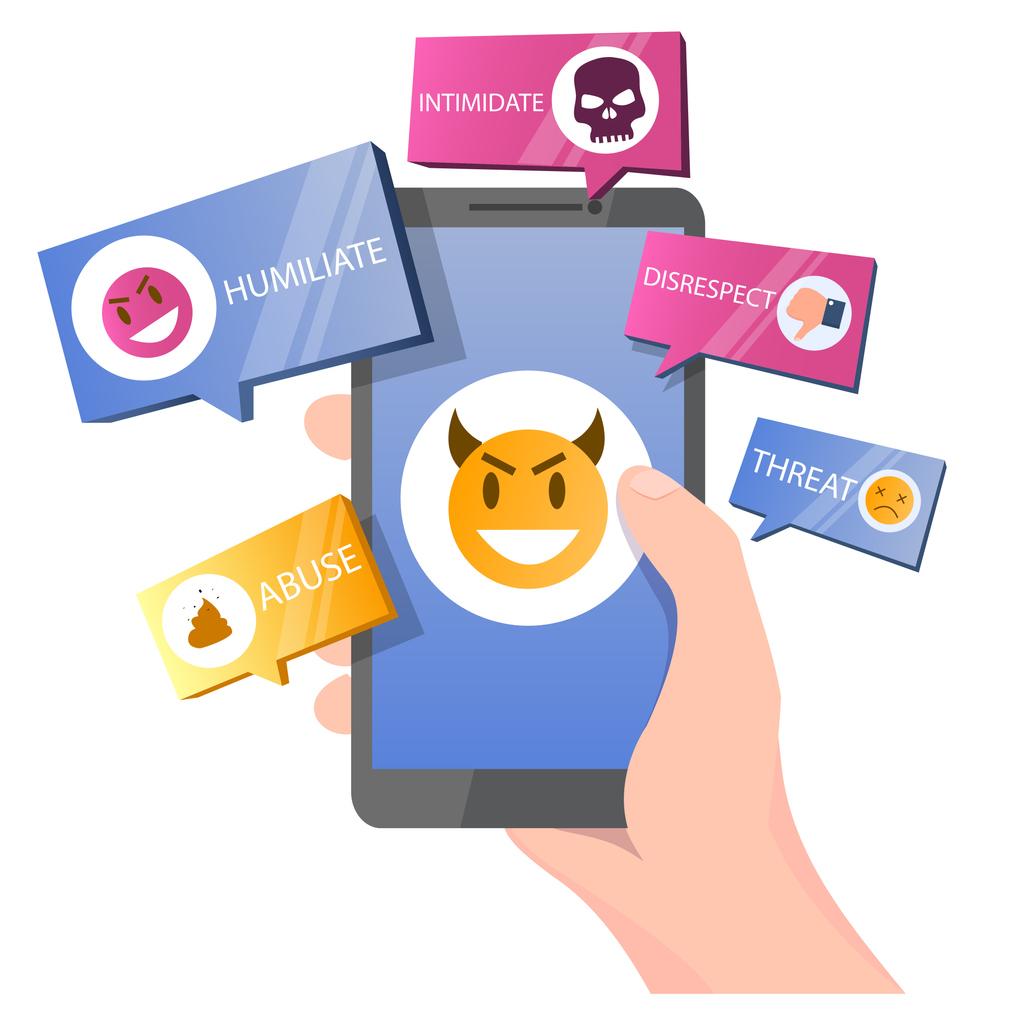
Bullying is repeated behaviour by an individual or group with the intent to harm another person or group. Cyberbullying is when the bullying takes place online. It can involve social, psychological and even, in extreme cases, physical harm.
Cyberbulllying can take place via:
Cyberbullying can cause shame, guilt, fear, withdrawal, social isolation, loneliness and depression.
Because children and young people are often online, it can be hard for them to escape cyberbullying. Nasty messages, videos and gossip can spread fast online and are hard to remove completely. Screenshots and copies can be easily made and shared widely with others. This makes it easier for cyberbullying to spread quickly and uncontrollably.
Often, the abusers/attackers can remain unknown to the victim, as they use a fake or anonymous account to hide their identity. This can make it difficult to stop, and harder for adults to see and manage.
Cyberstalking is when a person is stalked or harassed by another person using a service of the internet such as email, instant messaging or via a posting in a discussion group. Stalking behaviours can include threats, cryptic messages and sexual innuendo that occur in a frequent and intrusive manner. The usual goal for stalking is to create a sense of fear in the recipient and the motivation is based on control and intimidation.
Initially, the online perpetrator might appear to be trustworthy because their actions (i.e. requests, online conversation, images, etc.) are all positive and engaging. However, it is important to remember that it is very easy for people to create false online identities. Online predators are very clever at using technology to manipulate and deceive. As a result, it is important that people know how to protect their personal information while communicating online.
There are many days of celebration and remembrance related to relationships and sexuality. Here are some ways that these days can be incorporated into your school culture and curriculum:
A major aim of school sexuality education is to provide students with the information and skills needed to make informed decisions. One of the most important personal decisions that will be made by older students is whether or not to, and when to begin, having sexual intercourse. The issue of abstaining or delaying 'having sex' is an important component of relationships and sexual health education, and a highly relevant consideration for many students.
Recent Australian research clearly shows that a significant proportion of secondary school students have had, or are thinking of having, sexual intercourse and rates of this behaviour have been consistent over time. According to LaTrobe University'sWestern Australian Survey for Secondary School Students1, 44.2% of students in Year 10, 49.3% of students in Year 11, and 61.7% of students in Year 12 have experienced sexual intercourse (penis in vagina or penis in anus sex).
Learning activities in the GDHR curriculum materials therefore integrate the reality of sexual intercourse in some young people's lives.
Despite the behavioural reality of sexual activity amongst older students, good educational programs also emphasise delaying initiation of sexual intercourse (sexual debut) as the safest choice for young people.
Duis ut dignissim sapien. Nunc blandit, orci nec volutpat consectetur, risus mauris dictum massa.
Nam vitae blandit felis. Cras mollis faucibus ipsum ac tempor. Duis ut dignissim sapien. Nunc blandit, orci nec volutpat consectetur, risus mauris dictum massa, in mattis ligula purus ut tellus. Donec efficitur est vel nisi auctor, vel interdum diam malesuada.
Nam vitae blandit felis. Cras mollis faucibus ipsum ac tempor. Duis ut dignissim sapien. Nunc blandit, orci nec volutpat consectetur, risus mauris dictum massa, in mattis ligula purus ut tellus. Donec efficitur est vel nisi auctor, vel interdum diam malesuada.
Nam vitae blandit felis. Cras mollis faucibus ipsum ac tempor. Duis ut dignissim sapien. Nunc blandit, orci nec volutpat consectetur, risus mauris dictum massa, in mattis ligula purus ut tellus. Donec efficitur est vel nisi auctor, vel interdum diam malesuada.
Nam vitae blandit felis. Cras mollis faucibus ipsum ac tempor. Duis ut dignissim sapien. Nunc blandit, orci nec volutpat consectetur, risus mauris dictum massa, in mattis ligula purus ut tellus. Donec efficitur est vel nisi auctor, vel interdum diam malesuada.
Nam vitae blandit felis. Cras mollis faucibus ipsum ac tempor. Duis ut dignissim sapien. Nunc blandit, orci nec volutpat consectetur, risus mauris dictum massa, in mattis ligula purus ut tellus. Donec efficitur est vel nisi auctor, vel interdum diam malesuada.
Donec efficitur est vel nisi auctor, vel interdum diam malesuada. Duis iaculis odio at magna hendrerit consequat.
Nam vitae blandit felis. Cras mollis faucibus ipsum ac tempor. Duis ut dignissim sapien. Nunc blandit, orci nec volutpat consectetur, risus mauris dictum massa, in mattis ligula purus ut tellus. Donec efficitur est vel nisi auctor, vel interdum diam malesuada. Duis iaculis odio at magna hendrerit consequat.
Nam vitae blandit felis. Cras mollis faucibus ipsum ac tempor. Duis ut dignissim sapien.
Nam vitae blandit felis. Cras mollis faucibus ipsum ac tempor. Duis ut dignissim sapien. Nunc blandit, orci nec volutpat consectetur, risus mauris dictum massa, in mattis ligula purus ut tellus. Donec efficitur est vel nisi auctor, vel interdum diam malesuada.
Duis ut dignissim sapien. Nunc blandit, orci nec volutpat consectetur, risus mauris dictum massa.
Nam vitae blandit felis. Cras mollis faucibus ipsum ac tempor. Duis ut dignissim sapien. Nunc blandit, orci nec volutpat consectetur, risus mauris dictum massa, in mattis ligula purus ut tellus. Donec efficitur est vel nisi auctor, vel interdum diam malesuada.
Mauris sed odio magna. Donec sem nibh, consectetur eget iaculis et, dictum et purus.
Vestibulum rutrum turpis sed turpis tincidunt dapibus vestibulum id orci. Aliquam erat volutpat. Curabitur nec sodales elit, ac tincidunt diam. Integer bibendum, arcu non ullamcorper fringilla.
Mauris sed odio magna. Donec sem nibh, consectetur eget iaculis et, dictum et purus.
Vestibulum rutrum turpis sed turpis tincidunt dapibus vestibulum id orci. Aliquam erat volutpat. Curabitur nec sodales elit, ac tincidunt diam. Integer bibendum, arcu non ullamcorper fringilla.
Duis ut dignissim sapien. Nunc blandit, orci nec volutpat consectetur, risus mauris dictum massa.
Nam vitae blandit felis. Cras mollis faucibus ipsum ac tempor. Duis ut dignissim sapien. Nunc blandit, orci nec volutpat consectetur, risus mauris dictum massa, in mattis ligula purus ut tellus. Donec efficitur est vel nisi auctor, vel interdum diam malesuada.
When teaching Relationships and Sexuality Education in schools, it is important to recognise the diversity in the range...
When teaching Relationships and Sexuality Education in schools, it is important to recognise the diversity in the range and variation of people’s gender identity and sexual identity. Teachers need to ensure that lessons cater for all students including those who do not identify as heterosexual and cisgender.
It is common for people to confuse sex, gender, gender identity and sexual identity, but they are all very different things.
(See also: Sexual Diversity. This offers information on how to support students of all sexual identities including those who do not identify as heterosexual. See also: Intersex Variations.)
Gender roles (how we expect girls and boys to behave) are taught right from birth and influence all of us - what we wear, how we behave, what interests we have, how we feel about ourselves, and how we relate to one another.
Roles, responsibilities and expectations are learned from family, friends, communities, opinion leaders, religious institutions, schools, the workplaces, advertising and media. They are also influenced by custom, law, class, ethnicity, and individual or institutional bias.
Restricting what people can and can't do based on gender stereotypes only limits what they can achieve. We want to maximise our students' potential.
Gender stereotypes can limit people's potential, shape their career prospects, get in the way of good mental health and respectful relationships. Research shows the links between rigid gender stereotypes, gender inequality and violence against women and children.1
Enlisting the help of others within the community can benefit and value-add to your school/classroom program.
Enlisting the help of others within the community can benefit and value-add to your school/classroom program. However, before inviting a guest speaker to your school, ensure that you know exactly what you want to gain by having the guest speaker. Regardless of the topic being addressed, a 'one off' isolated presentation can have little impact on a students' health behaviour.

Growing and Developing Healthy Relationships (GDHR) strongly promotes and advocates the Health Promoting...
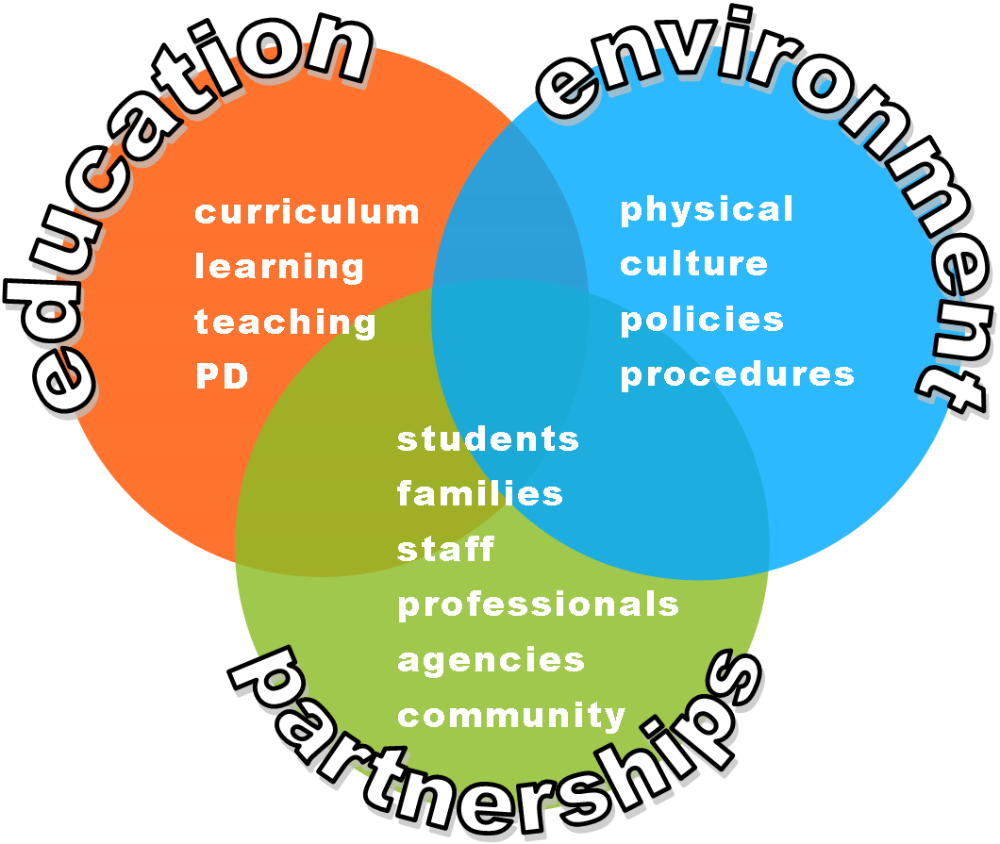
Growing and Developing Healthy Relationships (GDHR) strongly promotes and advocates the Health Promoting Schools Framework (HPSF) as a way of supporting a comprehensive approach to improving Relationships and Sexuality Education (RSE) outcomes.
Information for parents and teachers on the human pappilomavirus vaccine which is administered to students in Year 7
Information for parents and teachers on the human pappilomavirus vaccine which is administered to students in Year 7
The Human Immunodeficiency Virus (HIV) is a virus which weakens a person’s immune system.
The Human Immunodeficiency Virus (HIV) is a virus which weakens a person’s immune system.
Without effective treatment, HIV can multiply within the body and destroy essential immune cells that work to help the body fight off infections.
It is important to remember that HIV is not the same as AIDS, as HIV is a virus and AIDS is a syndrome (set of symptoms) resulting from advanced HIV infection that has not been treated. Most people living with HIV in Australia are on effective treatment and do not have AIDS.
Just as people have variations in height, eye colour and skin colour, they also have natural variations in hormones...
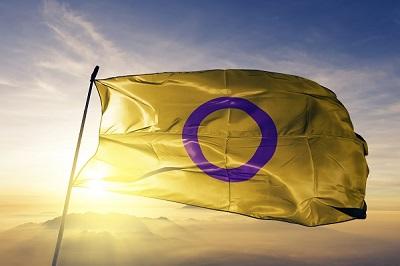
Just as people have variations in height, eye colour and skin colour, they also have natural variations in hormones, chromosomes and sexual organs. People who are intersex are born with physical sex characteristics that do not fit the stereotypical and medical definitions for female and male bodies. The term 'intersex' is an umbrella term for many forms of intersex that exist; at least 40 variations are known.1 It is estimated that around 1.7% of the populations have intersex characteristics which means in a school of 1000, approximately 17 students may have intersex variations.2
Some people with intersex variations may be apparent at birth (e.g. if the baby’s external genitals do not appear to be typically male or female) and some may be diagnosed prenatally. Many people with intersex variations, do not find out until they start to go through puberty (or do not start puberty) and this can be very challenging for young people in a school setting particularly if RSE lessons do not acknowledge this kind of diversity. Some people do not discover they have intersex variations until they try to have children, some find out through random chance and some never find out.
The term 'intersex' is different to the term 'transgender' or 'gender diverse'. Being transgender or gender diverse is when someone's sense of being male or female is different from the sex they were assigned at birth (see Gender Diversity). Most people who have intersex variations are understood to identify with the female or male sex they were assigned at birth, while some may not. They may identify as cisgender, transgender or gender diverse.
Duis ut dignissim sapien. Nunc blandit, orci nec volutpat consectetur, risus mauris dictum massa.
Nam vitae blandit felis. Cras mollis faucibus ipsum ac tempor. Duis ut dignissim sapien. Nunc blandit, orci nec volutpat consectetur, risus mauris dictum massa, in mattis ligula purus ut tellus. Donec efficitur est vel nisi auctor, vel interdum diam malesuada.
Donec efficitur est vel nisi auctor, vel interdum diam malesuada. Duis iaculis odio at magna hendrerit consequat.
Nam vitae blandit felis. Cras mollis faucibus ipsum ac tempor. Duis ut dignissim sapien. Nunc blandit, orci nec volutpat consectetur, risus mauris dictum massa, in mattis ligula purus ut tellus. Donec efficitur est vel nisi auctor, vel interdum diam malesuada. Duis iaculis odio at magna hendrerit consequat.
The menstrual cycle is a cycle of bodily changes controlled by a complex relationship between hormones...
The menstrual cycle is a cycle of bodily changes controlled by a complex relationship between hormones from the brain and ovaries. This cycle causes a ‘bleed’ or period (menstruation) which usually occurs about once a month. The length of the cycle can vary from person to person and also month to month; it is commonly 24-36 days.
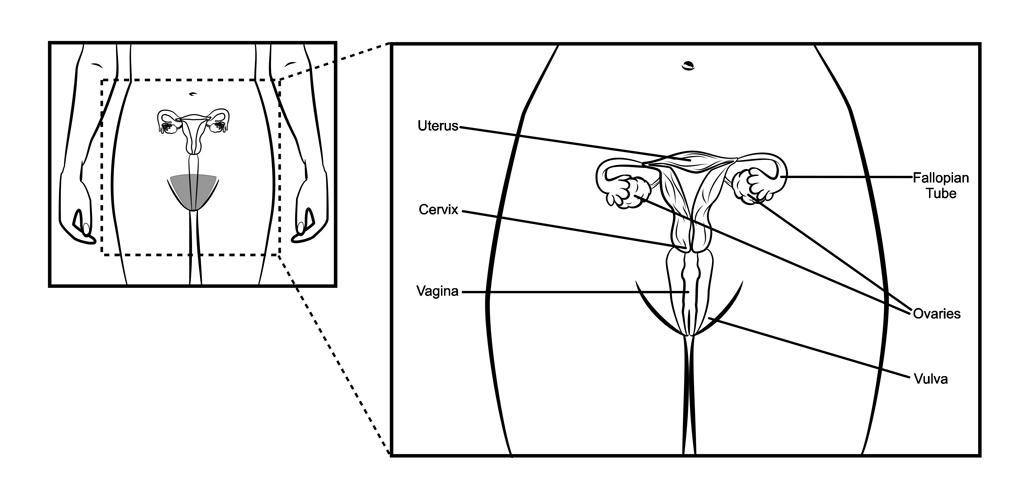
The two ovaries contain about 1-2 million eggs each at birth. During the menstrual cycle, the lining of the uterus thickens, making it soft and spongy, as it prepares itself for a possible pregnancy. At the same time, eggs in the ovaries start to ripen and the cervix produces mucus that becomes more clear and slippery. This ‘fertile mucus’ nourishes sperm and helps them move towards the egg.
Once a month, an egg will emerge out of one of the ovaries (ovulation) and begin to travel down the fallopian tube towards the uterus. The egg only lives for up to 24 hours. If the egg is not fertilised by a sperm, there can be no pregnancy. The mucus produced by the cervix becomes thicker, whiter and stickier (‘infertile mucus’) which makes it harder for sperm to penetrate. About 10-14 days after ovulation, the thick lining of the uterus breaks down and is shed through the vagina. This is called menstruation (a period). The first day of a period is the start (day 1) of a new menstrual cycle. Bleeding usually lasts 3-7 days and approximately 4-12 tablespoons of blood will be passed. The blood can vary in colour from red, to brown or black, particularly towards the end of the period. There may also be small clots of blood that are passed.
If a fertilised egg implants into the uterus and a pregnancy begins, the uterus lining will remain and no period (menstruation) will occur.
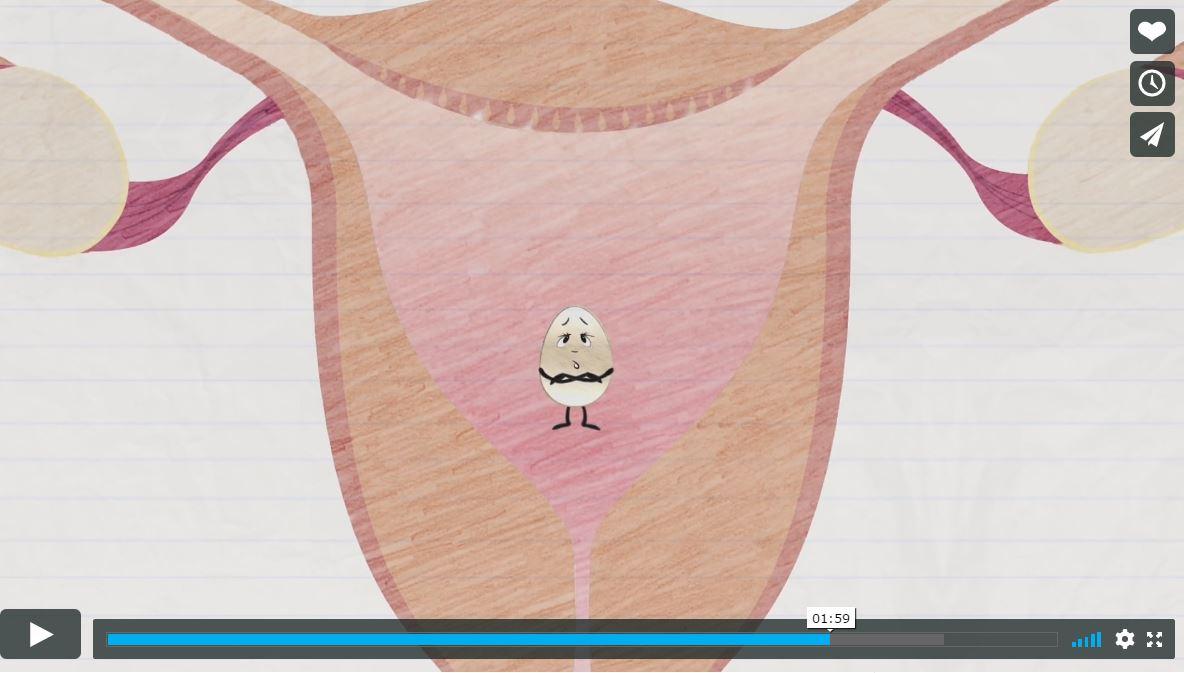
Menstrual cycle video (external link) - animated video suitable for all ages 2min 36sec
Pellentesque habitant morbi tristique senectus et netus et malesuada fames ac turpis egestas.
Curabitur cursus arcu quis lorem vehicula ornare. Cras pharetra at leo ut tempus. Suspendisse felis neque, fringilla et imperdiet non, malesuada eget neque. Proin lobortis lacus magna, nec consequat purus lobortis at. Proin mattis nibh sit amet elementum bibendum. Nunc iaculis augue sit amet metus tempus condimentum. Pellentesque habitant morbi tristique senectus et netus et malesuada fames ac turpis egestas.
In the past, young people have typically come across or looked for sexually explicit material in the form of photographs...
In the past, young people have typically come across or looked for sexually explicit material in the form of photographs, books and magazines. However, with phones and other devices making the internet so readily accessible, sexually explicit material is now even more available, easily accessible, cheap, and quick. Many young people are exposed to a culture saturated with sexualised images that are not easily controlled by parents or schools and can readily view pornography without age-related barriers.
Pornography is generally described as being any sexually explicit materials intended to create arousal in the consumer.
Accessing and viewing sexually explicit material is now common among young people, especially boys.1 The types of pornography available on the internet ranges from mild to grossly offensive and illegal, and comes in the form of sexual pictures, writing, photos, videos, or chatroom talk.
One study found 28% of Australian 11-16-year olds have seen sexual images online. Of these, 24% say they have seen online sexual images including nudity, 17% have seen someone’s genitals online, 16% (more teenagers than young children) have seen images of someone having sex, and 6% say they have seen violent sexual images.2
Exposure to pornography is not always voluntary, with ads promoting porn sites often arising as ‘pop-ups’; and many girls report experiencing the incidence of involuntary exposure. Males appear to be more likely to use pornography, to view it alone and to become sexually aroused by its content.3
Some studies have suggested that viewing pornography can assist same-sex attracted, questioning young people to develop a positive sense of identity and sexual confidence.4
However, pornography is considered to be an extremely poor and generally inappropriate method of sexuality education for young people, especially men. Some research has suggested that viewing pornography may be linked with young men having ‘aggressive’ views towards girls.4
Having some basic knowledge and understanding about the physical aspects of how bodies function in terms...
Having some basic knowledge and understanding about the physical aspects of how bodies function in terms of pregnancy and human reproduction will provide students with a foundation for good decision-making about their current and/or future sexual health behaviours. Students may also be generally interested to learn about the creation of human life.
Teaching about pregnancy involves the biological (physiological) knowledge...
Teaching about pregnancy involves the biological (physiological) knowledge (see background notes on Pregnancy and birth: A brief overview of biology and physiology) as well as exploration about the relevance of pregnancy to the lives and relationships of adolescent and older students. Abstinence and delaying sexual intercourse is important to discuss, however there is a clear imperative to consider contraception and safer sex given their relevance to the choices, circumstances and experiences of all young people (see Safer sex and contraception background teacher note).
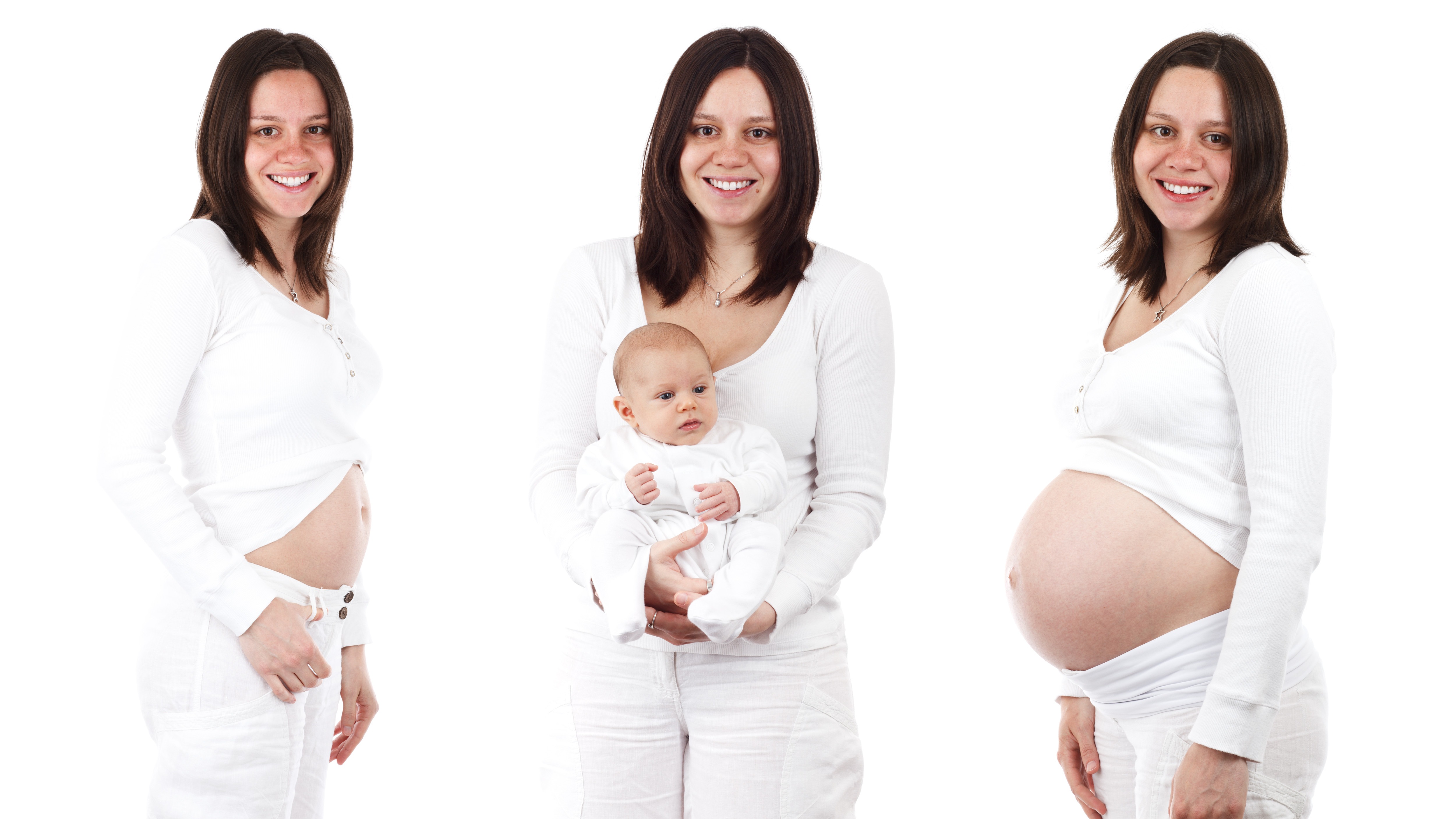
Recent Australian research provides good information about young people and their sexual health. The 5th National Survey of Australian Secondary Students and Sexual Health1 found that:
More than half of all teenage pregnancies in Australia occur in the first 6 months of a young person starting to have sexual intercourse.
No data is given here about the numbers of termination of pregnancies in teenage girls but suffice to say, it is far too high.
Providing young people with the knowledge and understanding about pregnancy can go some way to help prevent unwanted pregnancies.
The vast majority of abused children (96%) are abused by someone known and trusted by them.
The vast majority of abused children (96%) are abused by someone known and trusted by them1. Research suggests that in Australia, 1 in 4 girls and somewhere between 1 in 7 boys and 1 in 12 boys are sexually abused before they reach the age of 182, but only a small proportion will ever tell of their abuse3.
Protective behaviours education focuses on developing the skills of empowerment, communication, self-esteem, resilience, social skills and other life skills to prevent abuse, reduce violence and promote life-enriching rather than life-depleting experiences. It encourages students to:
In Western Australia, teachers are required by law to report a belief, formed on reasonable grounds in the course of their work, that a child or young person has been the subject of sexual abuse to the WA Department for Child Protection and Family Support. See the WA Department of Education's Child Protection website for further details.
The word 'puberty' is derived from the Latin word pubertas, meaning adulthood. It is the transition period...
The word 'puberty' is derived from the Latin word pubertas, meaning adulthood. It is the transition period that takes a person from being a sexually immature child to a sexually mature adult. It usually involves a growth spurt, appearance of secondary sex characteristics, reproductive fertility and profound psychological changes. The pace of this growth and change are second only to that of infancy. The ages at which these changes begin, and their rate of growth, vary enormously.
Personal hygiene can be described as the principle of maintaining cleanliness and grooming of the external body. It is looking after yourself and your body to maintain health.
Personal hygiene is important for personal, social, psychological and emotional reasons. It helps prevent infections and the spread of disease, illness and body odour. Good personal hygiene can also have a positive impact on self-esteem, confidence and body image.
Personal hygiene is particularly important during puberty as the body begins to produce more hormones that can increase the amount of sweat, oil and odour the body produces.
The following things are essential to maintain optimum health:
The female reproductive and sexual anatomy includes the external and internal sex organs, such as the vulva and vagina, and the internal reproductive organs, such as the ovaries and uterus. The female reproductive system produces hormones, which help a girl develop into a sexually mature woman during puberty. Females also use these organs to produce and release eggs which, when fertilised by a male's sperm, grow into a baby in the uterus.
The male reproductive and sexual anatomy includes the external and internal sex organs, such as the penis and testes, and the internal reproductive organs, such as the urethra and seminal vesicle. The male reproductive system produces hormones, which help a boy develop into a sexually mature man during puberty. Males also use these organs to produce and release semen into the reproductive system of a female during sexual intercourse where it can fertilise an egg.
There are many different kinds of relationships - acquaintances, friends, best friends, family, companions, romantic, sexual, intimate. Relationships can be between people from different countries, different cultures, the same gender or another gender. They can be can be long-term and last a lifetime, or they can be short-term. The level of contact and connection also differs. The one thing that remains constant is the need for respect - being respectful and being respected. As teachers, we value respect enormously. We hope that our students will respect us, that they will respect others and that they will respect themselves. We also hope that they will be respectful of their belongings, the environment and the law.
Nam vitae blandit felis. Cras mollis faucibus ipsum ac tempor. Duis ut dignissim sapien.
Nam vitae blandit felis. Cras mollis faucibus ipsum ac tempor. Duis ut dignissim sapien. Nunc blandit, orci nec volutpat consectetur, risus mauris dictum massa, in mattis ligula purus ut tellus. Donec efficitur est vel nisi auctor, vel interdum diam malesuada.
Safer sex means not allowing a partner's body fluids (blood, semen, vaginal fluids) into your body. It can also mean covering up parts of the body that might be infectious (e.g. herpes sores or warts) when engaging in sexual activity.
Since 2019, the WA Department of Health (WA Health) has offered small grants to WA schools to support their relationships and sexuality education (RSE) programs. The aim of these grants is to provide the resources that will assist in the provision of effective and comprehensive RSE.
To apply for a RSE grant of up to $1,200, fill out the application form.
According to La Trobe University's 6th national Survey of Secondary Students and Sexual Health1, 15.7% of sexually...
According to La Trobe University's 6th national Survey of Secondary Students and Sexual Health1, 15.7% of sexually active students reported being either drunk or high during their most recent sexual encounter.
The mixture of alcohol, drugs and sex is a potentially harmful combination for young people. These circumstances may typically be encountered, perhaps for the first time, at events such as parties, school balls and Leavers Week celebrations where risky alcohol use, experimental drug use and planned or unplanned sex may take place. Using alcohol and other drugs affects the ability to make informed decisions and can lead to regret after the event
The material displayed on this page is intended to help teachers develop a basic understanding of sexually related aspects of the law. If there is a situation that requires legal assistance, expert advice should be sought.
The term sexting (a combination of the words “sex” and “texting”) refers to the taking, sending, sharing, receiving...
The term sexting (a combination of the words “sex” and “texting”) refers to the taking, sending, sharing, receiving, and posting of sexually suggestive and sexually explicit images. More commonly young people will refer to sexting as ‘sending nudes’ or ‘dick pics’. ‘Sexually explicit’ or ‘sexually suggestive’ can mean different things to different people, but an image of this nature generally will include someone who is naked, partially naked, performing a sexual act, or posing in a sexual way. Generally, an image that is considered sexually explicit has the purpose of initiating sexual excitement for the receiver. ‘Sexts’ or ‘nudes’ could also include written messages, as well as videos, that are sexually explicit.
Fifty per cent of Australian 13-18 year old’s have engaged in sending nudes, however the vast majority of those who reported sending or receiving sexually suggestive images did so with only a small number of people and most commonly only with those they already had a romantic attachment1. In WA, 45% of teens in years 10-12 reported having sent a sexy written text whilst 58% reported having received a sexy written text. Again in WA, 36% of teens in years 10-12 reported having sent a nude/nearly nude pic of themselves, whilst 50% reported having received a nude/nearly nude pic.2
Sending nudes is often a way for young people to explore and express their sexuality, and it is becoming a common way for people in relationships to express their feelings and desires. However, sexting can raise issues of consent, privacy, harassment and legality and it is important for young people to realise the potential negative consequences of sexting. Providing support and effective strategies to this age group is essential for minimising any harm that may result from sending nudes.
Our sexuality is a central part of what makes us uniquely who we are and is a major influence on our thoughts, feelings and actions. Sexuality is not just about sex. It covers a broad spectrum of things such as relationships, personal values, culture, attraction, thoughts, romantic feelings, sexual feelings, identity, expression and behaviours.
Sexuality isn't defined by who someone has sex with, it's about how someone feels and how they choose to identify themselves. This can include how someone is attracted to others – physically, emotionally, romantically, and sexually.
Some people may be attracted to women or to men or to both or to neither. People may have an emotional attraction to someone but not want to have sex with that person. People may have a physical attraction to someone but not want to have a relationship with them. How we are attracted to people and the strength of these attractions can change over time.
Everyone's sexuality is different and these differences form a normal part of the broad range of human relationships and experiences.
A large part of growing up is working out who we are, and finding our place in the world. So, like all other aspects of life, understanding sexuality can take some time for young people (and adults) to figure out.
As a child is growing up and going through puberty, they are already navigating complex changes to their body, their brain, their hormones and their relationships. They are exploring and managing strong feelings.
Learning to understand their sexuality can be exciting, confusing, intense, scary, confronting, relieving, overwhelming, difficult or easy.
Most people know from a very young age who they want to have relationships with but for others it can take some time to figure out.
Sexuality can be the same for some people all their life and for others it can be more fluid or change over time. The most important thing to remember is that sexuality is not a choice, it is a natural part of who someone is and everyone has the right to feel comfortable and accepted for who they are.
The majority of sexually transmissible infections (STIs) are bacterial or viral infections and are usually passed on during sexual activity.
A few STIs are parasitic or fungal.
The types of sexual activity which can transmit infection include vaginal, oral or anal sex. Some STIs (such as herpes or genital warts) can also be transmitted through skin-to-skin contact.
Blood-borne viruses (BBVs) are transmitted from person to person by blood-to-blood contact.
This occurs when blood from a person infected with the virus passes into the bloodstream of another person through a break in the skin or mucous membrane.
Some BBVs such as HIV and hepatitis B can also be sexually transmitted.