Image


__TwigTemplate_3734fffb3ad977906ea607e799cc7fde->doDisplay(Array, Array) (Line: 394)
Twig\Template->displayWithErrorHandling(Array, Array) (Line: 367)
Twig\Template->display(Array) (Line: 100)
__TwigTemplate_51804ed58c85ac49f262da878d163eb0->doDisplay(Array, Array) (Line: 394)
Twig\Template->displayWithErrorHandling(Array, Array) (Line: 367)
Twig\Template->display(Array) (Line: 379)
Twig\Template->render(Array) (Line: 38)
Twig\TemplateWrapper->render(Array) (Line: 39)
twig_render_template('modules/contrib/better_exposed_filters/templates/bef-links.html.twig', Array) (Line: 348)
Drupal\Core\Theme\ThemeManager->render('bef_links', Array) (Line: 480)
Drupal\Core\Render\Renderer->doRender(Array) (Line: 493)
Drupal\Core\Render\Renderer->doRender(Array, ) (Line: 240)
Drupal\Core\Render\Renderer->render(Array) (Line: 475)
Drupal\Core\Template\TwigExtension->escapeFilter(Object, Array, 'html', NULL, 1) (Line: 51)
__TwigTemplate_831e1f6c7a86d0986ecd0357aecb3486->doDisplay(Array, Array) (Line: 394)
Twig\Template->displayWithErrorHandling(Array, Array) (Line: 367)
Twig\Template->display(Array) (Line: 379)
Twig\Template->render(Array) (Line: 38)
Twig\TemplateWrapper->render(Array) (Line: 39)
twig_render_template('themes/contrib/bootstrap5/templates/views/views-exposed-form.html.twig', Array) (Line: 348)
Drupal\Core\Theme\ThemeManager->render('views_exposed_form', Array) (Line: 480)
Drupal\Core\Render\Renderer->doRender(Array, ) (Line: 240)
Drupal\Core\Render\Renderer->render(Array) (Line: 475)
Drupal\Core\Template\TwigExtension->escapeFilter(Object, Array, 'html', NULL, 1) (Line: 84)
__TwigTemplate_c83289cca6c46c7616c493a7b5845206->doDisplay(Array, Array) (Line: 394)
Twig\Template->displayWithErrorHandling(Array, Array) (Line: 367)
Twig\Template->display(Array) (Line: 379)
Twig\Template->render(Array) (Line: 38)
Twig\TemplateWrapper->render(Array) (Line: 39)
twig_render_template('themes/custom/gdhr/templates/views/views-view.html.twig', Array) (Line: 348)
Drupal\Core\Theme\ThemeManager->render('views_view', Array) (Line: 480)
Drupal\Core\Render\Renderer->doRender(Array) (Line: 493)
Drupal\Core\Render\Renderer->doRender(Array, ) (Line: 240)
Drupal\Core\Render\Renderer->render(Array) (Line: 475)
Drupal\Core\Template\TwigExtension->escapeFilter(Object, Array, 'html', NULL, 1) (Line: 81)
__TwigTemplate_d948d97f9d70763f4f401578b739cccc->block_content(Array, Array) (Line: 171)
Twig\Template->displayBlock('content', Array, Array) (Line: 68)
__TwigTemplate_d948d97f9d70763f4f401578b739cccc->doDisplay(Array, Array) (Line: 394)
Twig\Template->displayWithErrorHandling(Array, Array) (Line: 367)
Twig\Template->display(Array) (Line: 379)
Twig\Template->render(Array) (Line: 38)
Twig\TemplateWrapper->render(Array) (Line: 39)
twig_render_template('themes/contrib/bootstrap5/templates/block/block.html.twig', Array) (Line: 348)
Drupal\Core\Theme\ThemeManager->render('block', Array) (Line: 480)
Drupal\Core\Render\Renderer->doRender(Array) (Line: 493)
Drupal\Core\Render\Renderer->doRender(Array, ) (Line: 240)
Drupal\Core\Render\Renderer->render(Array) (Line: 475)
Drupal\Core\Template\TwigExtension->escapeFilter(Object, Array, 'html', NULL, 1) (Line: 53)
__TwigTemplate_c3a244c4f94e4a80aa9ba477a3e3870e->doDisplay(Array, Array) (Line: 394)
Twig\Template->displayWithErrorHandling(Array, Array) (Line: 367)
Twig\Template->display(Array) (Line: 379)
Twig\Template->render(Array) (Line: 38)
Twig\TemplateWrapper->render(Array) (Line: 39)
twig_render_template('themes/custom/gdhr/templates/layout/layout--onecol.html.twig', Array) (Line: 348)
Drupal\Core\Theme\ThemeManager->render('layout__onecol', Array) (Line: 480)
Drupal\Core\Render\Renderer->doRender(Array) (Line: 493)
Drupal\Core\Render\Renderer->doRender(Array) (Line: 493)
Drupal\Core\Render\Renderer->doRender(Array, ) (Line: 240)
Drupal\Core\Render\Renderer->render(Array) (Line: 475)
Drupal\Core\Template\TwigExtension->escapeFilter(Object, Array, 'html', NULL, 1) (Line: 110)
__TwigTemplate_e3a67e8fdc4292327964349c2380cb70->doDisplay(Array, Array) (Line: 394)
Twig\Template->displayWithErrorHandling(Array, Array) (Line: 367)
Twig\Template->display(Array) (Line: 379)
Twig\Template->render(Array) (Line: 38)
Twig\TemplateWrapper->render(Array) (Line: 39)
twig_render_template('themes/contrib/bootstrap5/templates/content/node.html.twig', Array) (Line: 348)
Drupal\Core\Theme\ThemeManager->render('node', Array) (Line: 480)
Drupal\Core\Render\Renderer->doRender(Array, ) (Line: 240)
Drupal\Core\Render\Renderer->render(Array, ) (Line: 238)
Drupal\Core\Render\MainContent\HtmlRenderer->Drupal\Core\Render\MainContent\{closure}() (Line: 627)
Drupal\Core\Render\Renderer->executeInRenderContext(Object, Object) (Line: 231)
Drupal\Core\Render\MainContent\HtmlRenderer->prepare(Array, Object, Object) (Line: 128)
Drupal\Core\Render\MainContent\HtmlRenderer->renderResponse(Array, Object, Object) (Line: 90)
Drupal\Core\EventSubscriber\MainContentViewSubscriber->onViewRenderArray(Object, 'kernel.view', Object)
call_user_func(Array, Object, 'kernel.view', Object) (Line: 111)
Drupal\Component\EventDispatcher\ContainerAwareEventDispatcher->dispatch(Object, 'kernel.view') (Line: 186)
Symfony\Component\HttpKernel\HttpKernel->handleRaw(Object, 1) (Line: 76)
Symfony\Component\HttpKernel\HttpKernel->handle(Object, 1, 1) (Line: 58)
Drupal\Core\StackMiddleware\Session->handle(Object, 1, 1) (Line: 48)
Drupal\Core\StackMiddleware\KernelPreHandle->handle(Object, 1, 1) (Line: 28)
Drupal\Core\StackMiddleware\ContentLength->handle(Object, 1, 1) (Line: 32)
Drupal\big_pipe\StackMiddleware\ContentLength->handle(Object, 1, 1) (Line: 191)
Drupal\page_cache\StackMiddleware\PageCache->fetch(Object, 1, 1) (Line: 128)
Drupal\page_cache\StackMiddleware\PageCache->lookup(Object, 1, 1) (Line: 82)
Drupal\page_cache\StackMiddleware\PageCache->handle(Object, 1, 1) (Line: 48)
Drupal\Core\StackMiddleware\ReverseProxyMiddleware->handle(Object, 1, 1) (Line: 51)
Drupal\Core\StackMiddleware\NegotiationMiddleware->handle(Object, 1, 1) (Line: 36)
Drupal\Core\StackMiddleware\AjaxPageState->handle(Object, 1, 1) (Line: 51)
Drupal\Core\StackMiddleware\StackedHttpKernel->handle(Object, 1, 1) (Line: 704)
Drupal\Core\DrupalKernel->handle(Object) (Line: 19)
Introduction
Adolescence is the period of time from the onset of puberty until adulthood. The rapid changes in hormones, physical growth and emotional growth have huge impacts on relationships - with families, friends and romantic partners.

Improperly using and discarding needles and syringes can increase the risk of transmitting blood-borne viruses such as HIV and hepatitis.
Body art is a popular form of artistic and self-expression.
Body art is a popular form of artistic and self-expression. There are associated risks with certain types of body art, such as the risk of infection from a blood-borne virus (BBV), if practices are not carried out properly and safely. Tattoos, body piercings, branding, scarification, and three-dimensional art or body modifications, such as beading, are all forms of body art. In Western Australia, the most popular forms of body art are tattoos and body piercing.
Tattoos are permanent designs on the skin. They are made with coloured inks put under the skin with a machine that uses a needle.
Body piercings are holes in the skin that are made so jewellery can be worn. The holes are made with a sharp instrument, often a needle or a piercing gun.
It is against the law in Western Australia to tattoo (or brand) a person under the age of 16, or between the ages of 16 and 18 without the written consent of their parent. It is also against the law in Western Australia to:
Under the Children and Community Services Act 2004, fines and imprisonment may be applied for breaches of the laws relating to age and tattooing and piercing (although the relevant section of the Act does not apply to body piercing carried out for medical or therapeutic purposes).
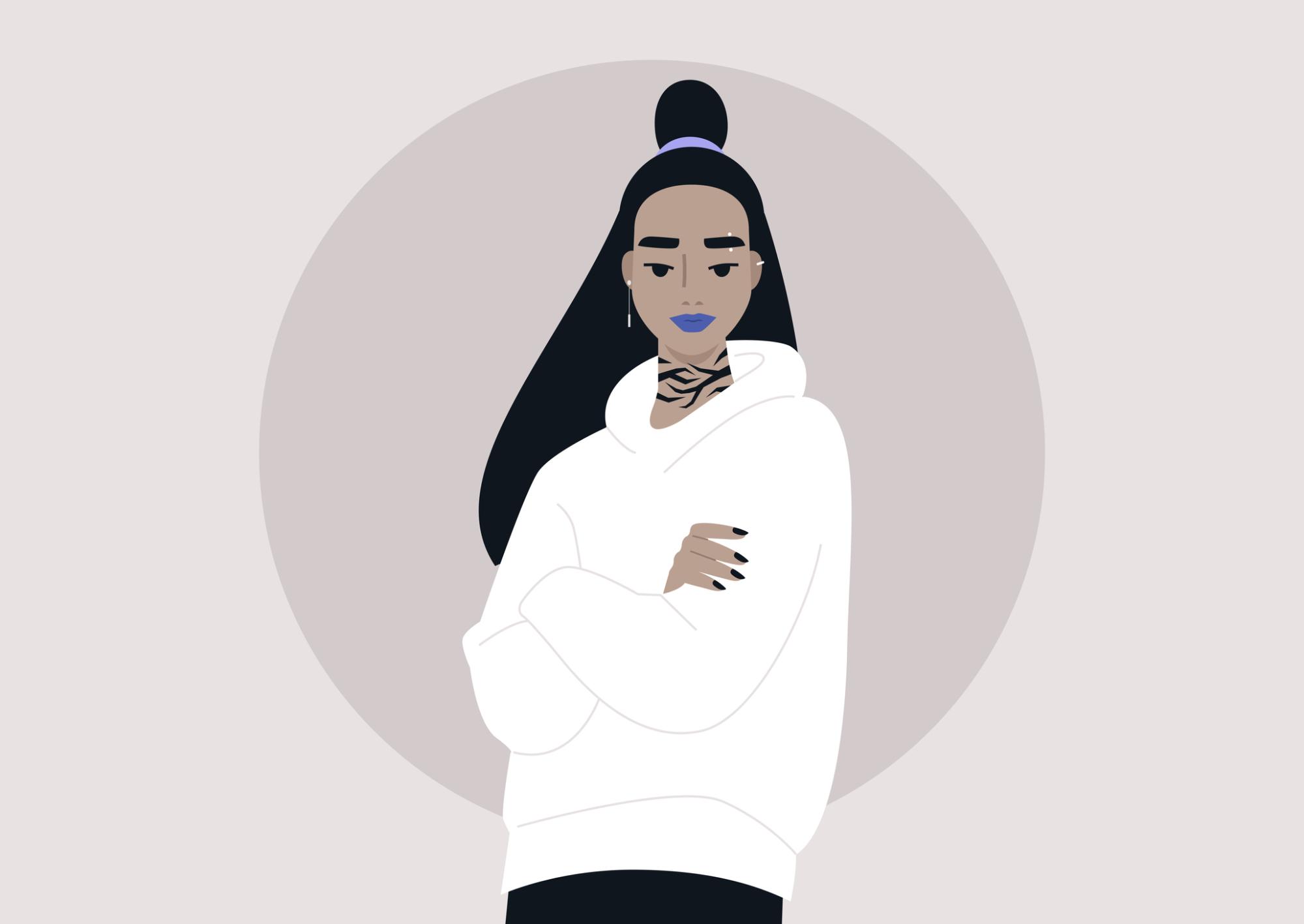
We live in a world that sends us all sorts of messages about what the 'perfect' body looks like. We are constantly receiving image-related messages from different sources, all within the media, our surrounding environments, and on social media, indicating what society views as 'beautiful', 'ideal', and 'attractive'. It is not surprising then, that instead of embracing and celebrating diversity in all body types, we end up focusing on what can be dangerous and often physically unattainable perfection. The other reality is that these 'perfect' images to which too many aspire are typically digitally altered, using photoshop, various filters, angles, and lighting to look a certain way. They are not true or realistic images.
Body image refers to how you see yourself, how you feel about the way you look and how you think others perceive you. The reality is that every body comes in all different shapes and sizes, and it is unrealistic to represent only one body type as beautiful. Lots of people of all ages and genders can struggle with their body image. Research suggests that around 70% of Australian girls and around 60% of Australian boys are dissatisfied with their body or weight1.
With the degree of physical and emotional changes occurring during puberty, it is normal for young people to be more self-aware. Body image was identified as one of the three top concerns of young people in Mission Australia's Youth Survey 20202, with concerns considerably higher among females than males.
Males are increasingly feeling this pressure to achieve or maintain an 'ideal' appearance of high levels of fitness, strength, and physical 'perfection'. The change rooms at school and sporting clubs, time at the beach or gym, and intimate experiences can be intimidating and vulnerable spaces for young men.
Many teachers wonder if it is best to split their classes by gender for relationships and sexuality lessons. There are pros and cons to be considered for both.

It is important to recognise that Aboriginal people are diverse. While some Aboriginal students may be completely comfortable with relationships and sexuality education (RSE), it may cause others to feel awkward or embarrassed (what some Aboriginal people call ‘shame’).
The key to successful RSE in any context is to create an environment which is respectful, supportive and responsive to the needs of students. This requires some familiarity with students’ social and cultural influences.
For some Aboriginal people, the topics discussed in RSE might be considered men’s or women’s cultural business and it may not be appropriate to discuss these issues with or in front of members of the opposite sex1.
"Sexual health is sensitive, complex and personal. We want to really dramatically change the stats and change the rates of transmission in Aboriginal youth. We want to engage young Aboriginal and Torres Strait Islander people to lead honest conversations in their communities about HIV, and about sexual health more generally."
Todd Fernando – ANTHYM: Aboriginal Nations Torres Strait Islander HIV Youth Mob (with permission)2.
Bullying is repeated behaviour by an individual or group with the intent to harm another person or group. Cyberbullying is when the bullying takes place online. It can involve social, psychological and even, in extreme cases, physical harm.
Cyberbulllying can take place via:
Cyberbullying can cause shame, guilt, fear, withdrawal, social isolation, loneliness and depression.
Because children and young people are often online, it can be hard for them to escape cyberbullying. Nasty messages, videos and gossip can spread fast online and are hard to remove completely. Screenshots and copies can be easily made and shared widely with others. This makes it easier for cyberbullying to spread quickly and uncontrollably.
Often, the abusers/attackers can remain unknown to the victim, as they use a fake or anonymous account to hide their identity. This can make it difficult to stop, and harder for adults to see and manage.
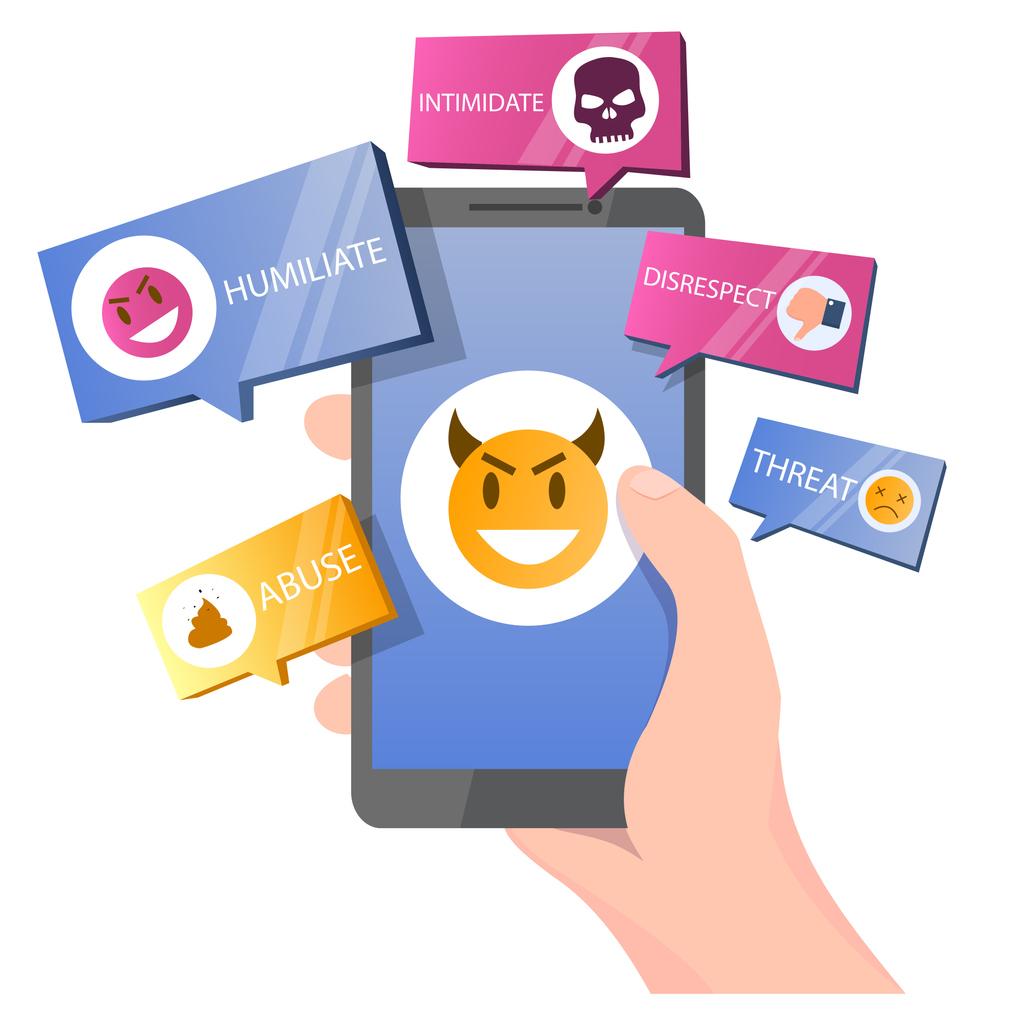
Cyberstalking is when a person is stalked or harassed by another person using a service of the internet such as email, instant messaging or via a posting in a discussion group. Stalking behaviours can include threats, cryptic messages and sexual innuendo that occur in a frequent and intrusive manner. The usual goal for stalking is to create a sense of fear in the recipient and the motivation is based on control and intimidation.
Initially, the online perpetrator might appear to be trustworthy because their actions (i.e. requests, online conversation, images, etc.) are all positive and engaging. However, it is important to remember that it is very easy for people to create false online identities. Online predators are very clever at using technology to manipulate and deceive. As a result, it is important that people know how to protect their personal information while communicating online.